
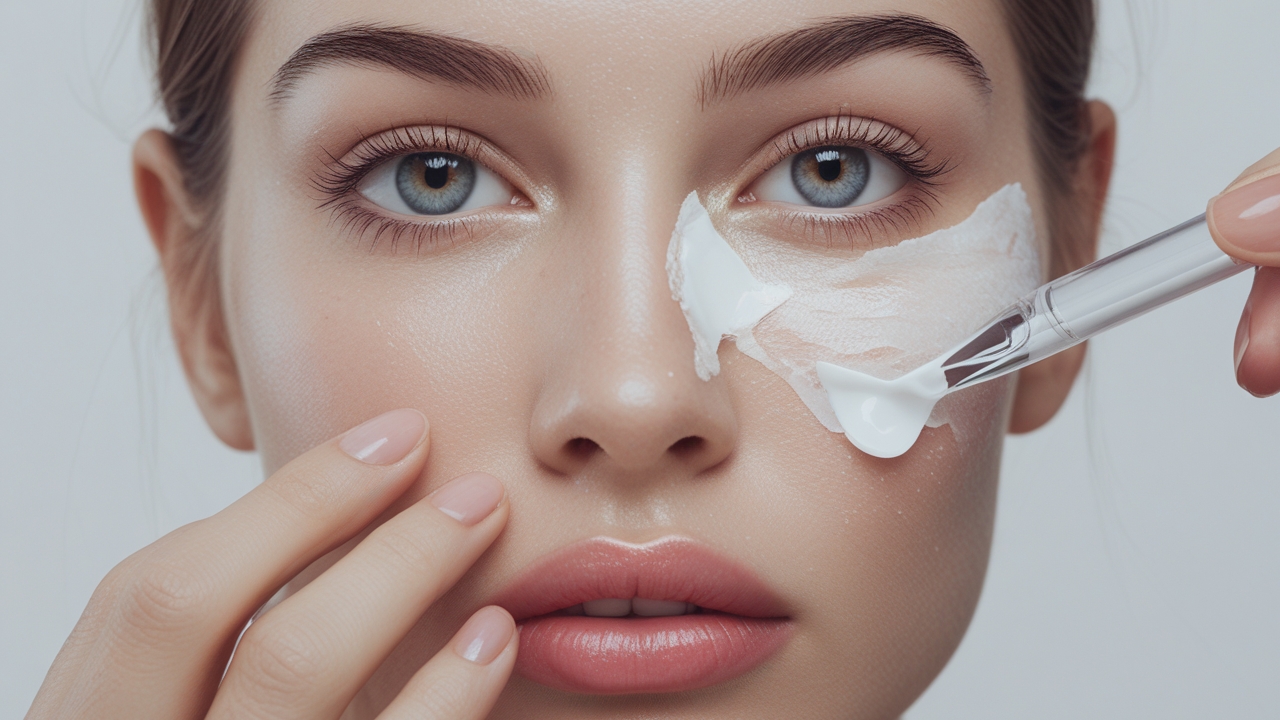
You wash your face every night. You moisturize. You even remember sunscreen most days. But your skin still looks tired, uneven, or just… stuck. Sound familiar? Millions of Americans deal with the same frustration — doing everything right but not seeing the results they deserve.
Here’s what might be missing from your routine: a targeted exfoliation treatment that actually works at the cellular level. Not just a scrub that buffs the surface, but something that renews your skin from within. That’s exactly where retinol peeling comes in — one of the most effective ways to reset, renew, and reveal your best skin yet. And when it comes to ingredient-driven renewal, retinol exfoliation is quickly becoming a gold standard in both professional dermatology and at-home skincare routines across the country.
Whether you’re battling fine lines, dark spots, rough patches, or just that frustrating lack of glow, this guide breaks down everything you need to know — clearly, honestly, and without the fluff.
To read in this article
What Is Retinol Peeling and Retinol Exfoliation?
The Benefits You’ll Actually Notice
Skin Concerns This Treatment Tackles
Best Products and Ingredients to Look For
Expert Tips for Getting the Best Results
What Is Retinol Peeling and Retinol Exfoliation?
Retinol is a derivative of Vitamin A — one of the most well-researched and clinically validated ingredients in modern skincare. When used in a peeling or exfoliating formula, it works on multiple layers of the skin simultaneously.
At the surface level, retinol accelerates the natural process of cell turnover, the cycle your skin goes through to shed dead cells and generate new ones. Normally, this process slows significantly as we age. Retinol essentially wakes it back up.
At a deeper level, retinol signals skin cells called fibroblasts to produce more collagen. Collagen is the structural protein that keeps skin firm, plump, and smooth. Over time, increased collagen production leads to visibly younger-looking skin with improved texture and elasticity.
In a peeling formulation, retinol is often combined with supporting acids, like lactic acid, glycolic acid, or salicylic acid, to enhance exfoliation, improve penetration, and deliver faster, more visible results than retinol alone.
The Benefits You’ll Actually Notice
What makes retinol-based treatments so compelling isn’t just the science — it’s the mirror moment. The morning you wake up and your skin looks clearer, smoother, more alive. That’s the payoff this ingredient delivers when used consistently.
- Visibly smoother texture : rough, uneven patches become noticeably softer within weeks
- Brighter, more radiant skin tone : dullness fades as fresh, healthy cells rise to the surface
- Reduced appearance of fine lines and wrinkles : collagen stimulation firms skin from within
- Faded dark spots and discoloration : accelerated cell turnover pushes pigmented cells out faster
- Cleaner, less congested pores : particularly beneficial for acne-prone or oily skin types
- More even skin tone : sun damage, hormonal spots, and post-acne marks all respond well to consistent use
Results aren’t overnight, but they are real. Most users begin to see improvements in texture and brightness within two to four weeks. More significant changes in lines, pigmentation, and firmness typically appear between six to twelve weeks of regular use.
Skin Concerns This Treatment Tackles
Dry, Dehydrated Skin
Problem: Skin feels tight, flaky, or rough even after moisturizing. Cause: Dead cell buildup prevents moisture from absorbing properly. Solution: Vitamin A-based exfoliation clears the barrier and allows hydrating ingredients to actually penetrate. Benefit: Skin absorbs moisturizers more effectively, staying hydrated longer throughout the day.
Rough or Uneven Texture
Problem: Skin feels bumpy or looks congested under light. Cause: Sluggish cell turnover leaves old, irregular cells sitting on the surface. Solution: Vitamin A accelerates shedding and promotes fresh cell growth. Benefit: Skin feels noticeably silkier and looks more polished — even without makeup.
Dullness and Lack of Radiance
Problem: Skin looks flat, tired, or grayish regardless of sleep or hydration. Cause: Accumulated dead cells block light reflection and dull the complexion. Solution: Retinol-powered renewal brings younger, light-reflecting cells to the surface. Benefit: A healthy, lit-from-within glow that doesn’t require heavy highlighter.
Early Signs of Aging
Problem: Fine lines forming around the eyes, mouth, and forehead. Cause: Declining collagen production and slower cellular regeneration. Solution: Vitamin A derivatives directly stimulate collagen synthesis in the dermis. Benefit: Skin appears firmer, lines look softer, and overall elasticity improves with consistent use.
Hyperpigmentation and Dark Spots
Problem: Uneven skin tone from sun damage, melasma, or post-acne marks. Cause: Excess melanin deposits remain trapped in slow-cycling skin cells. Solution: Retinol accelerates turnover, pushing pigmented cells to the surface and shedding them faster. Benefit: More even, unified skin tone over four to eight weeks of consistent treatment.
Acne and Clogged Pores
Problem: Recurring breakouts, blackheads, or persistently congested pores. Cause: Dead skin cells mix with sebum and clog follicles. Solution: Vitamin A regulates oil production and keeps pores clear by speeding up cell turnover. Benefit: Fewer breakouts, visibly reduced pore appearance, and smoother post-acne skin.
Best Products and Ingredients to Look For
Not all retinol products are created equal. The formulation matters just as much as the active ingredient itself. Here’s what to prioritize when shopping:
- Retinol concentration: Beginners should start with 0.025% to 0.1%. More experienced users can work up to 0.3% to 1%.
- Buffering ingredients: Look for niacinamide, hyaluronic acid, or ceramides to offset potential dryness or sensitivity.
- Complementary acids: Lactic acid (gentle, hydrating) or glycolic acid (more potent) can enhance exfoliation when paired thoughtfully with retinol.
- Stable packaging: Retinol degrades in sunlight. Opt for airless pumps or opaque tubes over open jars.
- Fragrance-free formulas: Especially important for sensitive skin types or those new to active ingredients.
Popular trusted options in the US market include Paula’s Choice 1% Retinol Treatment, RoC Retinol Correxion line, and La Roche-Posay Redermic R. For a more clinical-grade peeling experience at home, look for products combining retinol with alpha hydroxy acids — they deliver more dramatic exfoliation results safely.
How To Use Retinol Peeling and Retinol Exfoliation Safely
Consistency and patience are your best tools here. Follow these steps for safe, effective results:
- Start clean: Wash your face with a gentle, pH-balanced cleanser. Pat dry and wait two to three minutes before applying any active treatment.
- Apply sparingly: Use a pea-sized amount of your chosen retinol peeling product. Apply to the full face, avoiding the immediate eye area and corners of the mouth.
- Layer carefully: Allow the product to absorb for five to ten minutes before applying your moisturizer on top. This reduces irritation without limiting efficacy.
- Commit to nighttime use: Retinol breaks down in UV light. Always apply at night for maximum effectiveness and safety.
- Protect in the morning: After any form of retinol exfoliation, your skin is more photosensitive. Apply a broad-spectrum SPF 30 or higher every single morning no exceptions.
- Gradually increase frequency: Begin with two to three nights per week. As your skin adjusts over four to six weeks, increase to four or five nights per week if tolerated well.
Expert Tips for Getting the Best Results
Don’t rush the process. Skin purging a temporary increase in breakouts or flaking is common during the first two to four weeks. This is normal and signals that cell turnover is accelerating. Push through with gentle care.
Moisturize generously. A rich, fragrance-free moisturizer applied directly after your retinol treatment buffers sensitivity without blocking the active ingredient’s work. Look for formulas containing ceramides, squalane, or shea butter.
SPF is non-negotiable. Freshly exfoliated skin is significantly more vulnerable to UV damage. Skipping sunscreen while using vitamin A treatments is one of the fastest ways to undo your progress and increase pigmentation risk.
Avoid combining with certain actives. Benzoyl peroxide, high-strength AHAs, and vitamin C used simultaneously with retinol can cause irritation. Alternate nights or consult a dermatologist if you’re stacking multiple actives.
Hydrate from the inside. Drinking adequate water supports skin barrier function and helps manage any dryness that comes with accelerated exfoliation. Simple but often overlooked.
Alternatives and Complementary Treatments
If retinol-based exfoliation isn’t right for you or you want to layer treatments strategically — here are smart alternatives and companions:
Chemical Peels (Professional Grade)
In-office chemical peels using TCA, glycolic acid, or Jessner’s solution deliver more intense resurfacing in a single session. They’re ideal for deeper wrinkles, significant sun damage, or stubborn hyperpigmentation. Think of professional peels as accelerated versions of what consistent at-home retinol treatment does gradually.
Bakuchiol
A plant-derived alternative that mimics retinol’s effects on cell turnover and collagen stimulation without the irritation. Excellent for pregnant women, nursing mothers, or those with highly reactive skin who cannot tolerate vitamin A derivatives.
AHA/BHA Exfoliants
Standalone alpha and beta hydroxy acid treatments (like glycolic acid toners or salicylic acid serums) exfoliate the surface without the deeper vitamin A action. Best used on alternating nights or as gentle preparation before introducing retinol into your routine.
Microdermabrasion
A physical exfoliation treatment offered in-office or via at-home devices. It polishes the skin surface but doesn’t penetrate as deeply as retinol-based treatments. Works well as a complementary monthly treatment alongside a consistent vitamin A routine.
Frequently Asked Questions
A regular chemical peel typically uses acids like glycolic, lactic, or TCA to dissolve dead skin cells at the surface. A retinol-based peel works both on the surface and deeper in the skin by accelerating cell turnover and stimulating collagen production. Retinol treatments tend to be gentler, used consistently over time, while traditional chemical peels deliver more intense results in one session.
Most people notice improved skin texture and brightness within two to four weeks. Significant changes in fine lines, dark spots, and overall skin tone typically appear between six and twelve weeks of consistent use. Collagen remodeling, which addresses deeper wrinkles and firmness, can take up to six months of regular treatment to show its full effect.
Not right away. Beginners should start with two to three nights per week and gradually increase frequency as skin builds tolerance. Many experienced users do use retinol nightly, but this is built up slowly over several months. Jumping to daily use too soon commonly causes redness, peeling, and sensitivity that can set back your progress.
Yes, but with modifications. Those with sensitive skin should start with a lower concentration (0.025% or less), apply moisturizer before and after retinol to buffer irritation, and limit use to once or twice per week initially. Buffered retinol formulas and products combined with soothing ingredients like niacinamide are ideal for sensitive skin types.
Yes, but with modifications. Those with sensitive skin should start with a lower concentration (0.025% or less), apply moisturizer before and after retinol to buffer irritation, and limit use to once or twice per week initially. Buffered retinol formulas and products combined with soothing ingredients like niacinamide are ideal for sensitive skin types.
Absolutely. Retinol accelerates cell turnover, which gradually fades post-acne hyperpigmentation (dark marks left after breakouts). It also stimulates collagen production, which can improve the appearance of shallow atrophic (depressed) acne scars over time. For deeper pitted scars, combining retinol with professional treatments like microneedling or chemical peels delivers faster and more dramatic results.
The standard approach is to apply retinol on clean, dry skin and then layer moisturizer on top. This allows the active ingredient to contact the skin directly for maximum absorption. However, for sensitive skin, applying a thin layer of moisturizer first (the “sandwich method”) before retinol reduces irritation without eliminating effectiveness. Both approaches are valid depending on your skin’s tolerance level.
This is a common myth. Retinol actually thickens the deeper layers of the skin over time by stimulating collagen production. It does thin the outermost dead cell layer (the stratum corneum), which is why skin may appear more sensitive initially. The net long-term effect is firmer, more resilient skin — the opposite of thinning. Always use SPF to protect this more responsive skin layer during treatment.
No. Topical retinol and retinoids are not recommended during pregnancy due to potential risks. Dermatologists advise avoiding all vitamin A derivatives including prescription retinoids and over-the-counter retinol while pregnant or breastfeeding. Bakuchiol is the most widely recommended plant-based alternative that provides similar exfoliating and anti-aging benefits safely during this period.
Avoid combining retinol on the same night with high-strength AHAs (like glycolic or lactic acid at concentrations above 10%), benzoyl peroxide, or vitamin C, as these combinations can cause significant irritation. Alternate actives on different nights. Physical exfoliants like scrubs should also be avoided on the same day you use retinol. Always consult a dermatologist if you’re unsure about combining active ingredients.
Most dermatologists recommend starting retinol in your mid-to-late twenties as a preventive anti-aging measure. At this age, collagen production begins slowing, making it an ideal time to support skin renewal proactively. However, retinol is beneficial at any adult age, those in their 30s, 40s, and beyond will see meaningful improvements in texture, tone, and firmness regardless of when they begin.
The Bottom Line: Your Skin Deserves This Reset
If you’ve been searching for one ingredient that delivers real, visible, science-backed results, this is it. Vitamin A-based treatments have decades of clinical research behind them, a loyal following among dermatologists, and millions of before-and-after success stories across the country.
Whether you choose an at-home treatment approach or explore a more intensive clinical option, incorporating retinol peeling into your skincare routine is one of the most impactful decisions you can make for long-term skin health. And when done consistently and correctly, retinol exfoliation doesn’t just improve how your skin looks today, it changes the trajectory of how your skin ages for years to come.
Start slow, stay consistent, protect with SPF, and trust the process. Your best skin isn’t behind you, it’s a few weeks of commitment away. Ready to begin? Explore our recommended products and professional treatment options to find the right starting point for your skin type and goals.
“`