
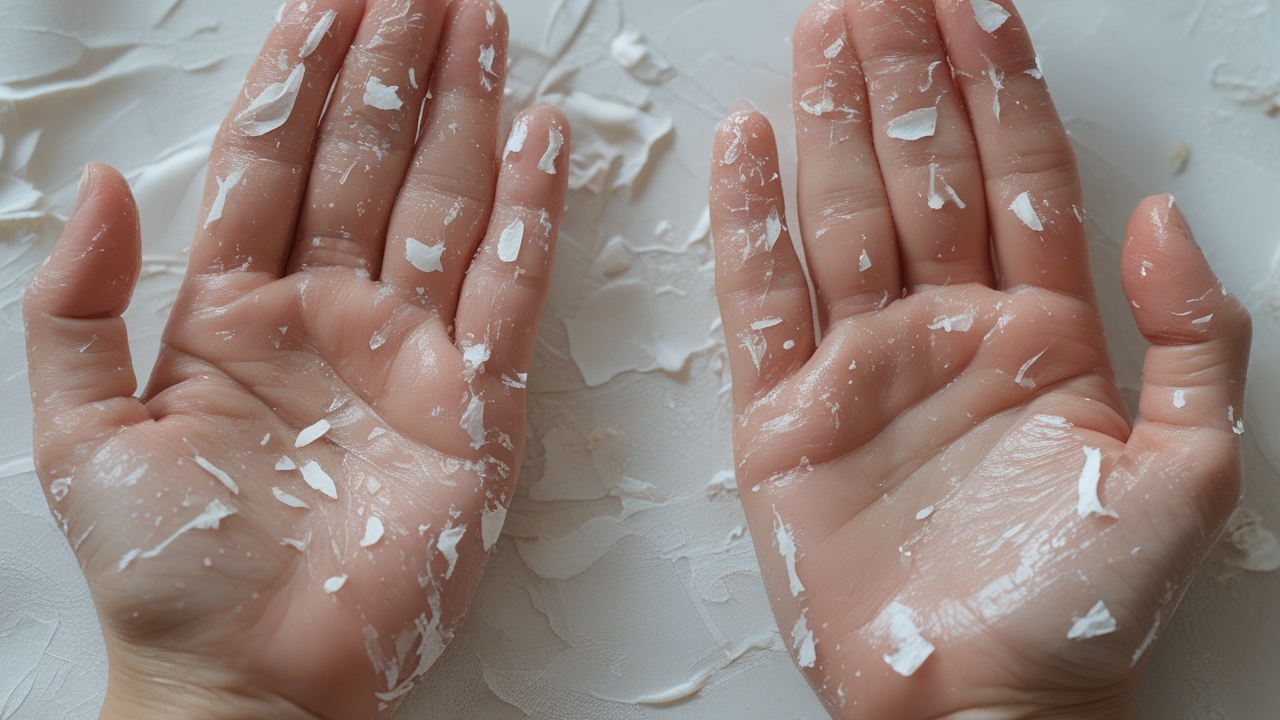
You moisturize your face every single day. You wear SPF. You follow a routine. But then you glance down at your hands and notice something unsettling — rough, flaky, tired-looking skin that feels like sandpaper and looks years older than the rest of you. Sound familiar?
Your hands take a beating. Constant washing, harsh soaps, cold weather, and everyday friction strip away the skin’s natural moisture barrier faster than almost any other part of your body. The result? Cracked knuckles, uneven texture, dullness, and that stubborn dry, peeling feeling that no amount of lotion seems to fix.
The good news is that targeted exfoliation and consistent hydration can completely transform your hands. If you’ve been struggling with peeling skin on hands, a hand peel treatment might be exactly what your skincare routine has been missing. And if you’re searching for effective dry hands remedies that actually deliver results, you’re in the right place.
What Is a Hand Peel Treatment?
A hand peel is a targeted exfoliating treatment designed specifically for the skin on your hands. Unlike a regular body scrub, hand peels use chemical exfoliants, typically alpha hydroxy acids (AHAs) like glycolic acid or lactic acid, or beta hydroxy acids (BHAs) like salicylic acid, to dissolve the bonds holding dead skin cells together.
Here’s the simple science: your skin naturally renews itself every 28 to 40 days. But as you age, or when your skin is damaged by environmental stressors, that turnover slows down. Dead cells pile up on the surface, creating roughness, dullness, and uneven texture. Chemical exfoliants accelerate the renewal process by loosening and removing that top layer of buildup without the abrasive friction of physical scrubs.
The result is brighter, smoother, softer skin — revealed from underneath the damage that was sitting on top all along.
Key Benefits of Hand Peel Treatments
- Visibly smoother texture — You’ll feel the difference with the very first touch.
- Brighter, more even skin tone — Fades dark spots and sun damage over time.
- Improved hydration absorption — Moisturizers penetrate deeper into freshly exfoliated skin.
- Reduced appearance of fine lines — Accelerated cell turnover encourages collagen support.
- Softer, more youthful-looking hands — The kind of results you’d expect from a professional treatment.
Think of it like resetting your skin. When the surface is clear and renewed, everything you apply afterward — serums, creams, oils — works harder and delivers better results.
Skin Concerns a Hand Peel Can Solve
Dry, Tight, Uncomfortable Skin
Problem: Your hands feel perpetually dry and tight, especially after washing.
Cause: Frequent handwashing and soap strip the skin’s lipid barrier, leading to chronic moisture loss.
Solution: Lactic acid-based hand peels gently exfoliate while also acting as a humectant, drawing moisture into the skin.
Benefit: Skin feels supple and comfortable rather than stretched and raw.
Rough, Calloused Texture
Problem: Thick, rough patches on the palms and knuckles that look and feel coarse.
Cause: Physical labor, repetitive friction, or simply neglected exfoliation causes keratin buildup.
Solution: Stronger AHAs like glycolic acid break down the excess keratin effectively.
Benefit: Hands feel noticeably softer within just a few uses.
Dull, Lackluster Appearance
Problem: Your hands look gray, tired, and lifeless — even when they’re clean.
Cause: Dead cell accumulation on the surface scatters light unevenly, creating a dull appearance.
Solution: Exfoliating treatments remove that opaque outer layer and reveal the luminous skin beneath.
Benefit: A noticeable glow and freshness that feels immediate.
Age Spots and Discoloration
Problem: Brown spots, sun damage, or post-inflammatory hyperpigmentation on the backs of the hands.
Cause: UV exposure over the years triggers melanin overproduction in unprotected areas.
Solution: Regular chemical exfoliation fades surface discoloration while vitamin C serums target deeper pigmentation.
Benefit: A more even, unified skin tone that looks healthier and younger.
Fine Lines and Early Signs of Aging
Problem: Crepey, thin skin with visible fine lines across the knuckles and back of the hand.
Cause: Collagen production slows with age, and environmental damage accelerates skin thinning.
Solution: Retinol-infused hand treatments paired with AHA peels stimulate cell renewal and collagen synthesis.
Benefit: Smoother, plumper-looking skin with reduced visible aging over consistent use.
Best Products and Ingredients to Look For
Not all hand treatments are created equal. Here’s what to look for when choosing a product that genuinely delivers results:
- Glycolic Acid (10–20%): The gold standard for texture smoothing and brightening. Best for thicker, more resilient skin.
- Lactic Acid (5–10%): Gentler and more hydrating than glycolic. Ideal for sensitive or dry-prone hands.
- Salicylic Acid (1–2%): Great for hands prone to congestion or rough patches. Also mildly antibacterial.
- Urea (10–20%): A powerhouse for extremely dry, cracked skin. Softens and hydrates simultaneously.
- Vitamin C: Pairs beautifully with exfoliants to brighten discoloration and protect against free radical damage.
- Shea Butter and Ceramides: Essential in any post-peel hand cream to restore the barrier and lock in moisture.
Look for hand peel products formulated with a balanced pH (between 3.0–4.5) for effective acid activity, and always pair them with a rich, occlusive hand cream afterward.
How To Use a Hand Peel Treatment
Getting the most out of your hand peel is about consistency and proper technique. Follow these steps for safe, effective results:
- Cleanse your hands thoroughly. Use a gentle, fragrance-free soap and pat dry completely. Wet skin dilutes the active ingredients.
- Apply the peel evenly. Use a cotton pad or your fingertips to apply a thin, even layer of the hand peel to the backs of your hands and knuckles. Avoid broken or irritated skin.
- Wait for the recommended time. Most at-home hand peels are leave-on formulas. If using a rinse-off peel, wait 5–10 minutes before washing off.
- Rinse and neutralize if required. Some stronger treatments may need rinsing. Follow product instructions precisely.
- Apply a rich hand cream immediately. This is the most important step. Freshly exfoliated skin is primed to absorb moisture deeply. Use a cream with ceramides or shea butter.
- Follow up with SPF if using during the day. Exfoliated skin is more sun-sensitive, so protection is non-negotiable.
Whether you’re tackling peeling skin on hands or exploring deeper dry hands remedies for long-lasting softness, this step-by-step routine gives your hands the professional-level care they deserve — right from home.
Expert Tips for Best Results
- Start slow: Begin with once a week and gradually increase to twice weekly as your skin adjusts.
- Never skip SPF: The backs of your hands are prime candidates for UV damage. Use SPF 30 or higher daily, even in winter.
- Hydrate aggressively after exfoliating: Layer a hydrating serum first, then seal with a thick hand cream or overnight mask.
- Use gloves at night: Apply a rich hand cream and wear cotton gloves overnight for an intensive moisture treatment.
- Watch for sensitivity: If redness, stinging, or excessive peeling occurs, scale back frequency and consult a dermatologist.
- Don’t combine with other actives: Avoid using retinol and strong acids on the same day when you’re new to hand peels.
Alternatives and Complementary Treatments
Hand peels are powerful, but they work even better as part of a broader hand care approach. Here’s how other treatments compare and complement:
- Physical scrubs: A gentler, more immediate form of exfoliation. Less precise than chemical peels but great for maintenance between treatments.
- Paraffin wax treatments: A salon favorite for intense hydration. Excellent paired with exfoliation — remove dead cells first, then infuse moisture with wax.
- Retinol hand creams: Ideal for anti-aging and collagen support. Use on alternate nights to your hand peel for a comprehensive approach.
- Hyaluronic acid serums: A perfect partner for any hand peel. Apply immediately after to draw in maximum hydration.
- Professional chemical peels: Dermatologist-administered glycolic or TCA peels provide stronger results for stubborn discoloration or aging concerns.
Frequently Asked Questions
How often should I use a hand peel treatment?
For most people, once or twice a week is ideal. If you have sensitive skin, start with once every 10 days and slowly increase frequency. Over-exfoliating can damage the skin barrier, causing redness and irritation. Listen to your skin — if it feels tight or looks inflamed, scale back. Consistency over weeks produces the best visible results rather than aggressive, frequent use.
Can hand peels help with dry, cracked skin?
Absolutely. Lactic acid-based hand peels are especially effective because they exfoliate while simultaneously drawing moisture into the skin. Removing dead, flaky buildup allows hydrating ingredients in your hand cream to penetrate much more effectively. For severely cracked hands, pair your peel with a urea-rich moisturizer and overnight gloves for an intensive repair routine that restores comfort and softness.
Are hand peels safe for sensitive skin?
Yes, when chosen carefully. Look for gentler acids like lactic acid or mandelic acid at lower concentrations (5–8%). Avoid high-percentage glycolic acid formulas if your skin is reactive. Always do a small patch test on the inner wrist before applying to both hands. If irritation occurs, discontinue use and consult a dermatologist. Many sensitive skin-friendly formulas are specifically designed for delicate skin types.
What’s the best home remedy for extremely dry hands?
For extremely dry hands, a combination approach works best. Start with a gentle chemical exfoliant to remove dead skin buildup, then apply a thick cream containing ceramides, shea butter, or urea. For overnight treatment, coat hands in petroleum jelly or a rich balm and sleep in cotton gloves. Drinking enough water, reducing hot water exposure, and using a fragrance-free hand soap daily also make a significant difference.
How long does it take to see results from a hand peel?
Most people notice smoother texture and slightly brighter skin after the very first use. For more significant improvements — fading dark spots, reducing fine lines, and restoring an even tone — expect to see visible changes within 4–6 weeks of consistent weekly use. Hyperpigmentation takes longer to fade and may require 8–12 weeks of regular exfoliation paired with daily SPF application for optimal results.
Can I use a hand peel if I have eczema or psoriasis?
It depends on the severity and current state of your skin. During active flares, chemical exfoliants should be avoided entirely as they can worsen inflammation and irritation. During remission or periods of calm skin, very gentle lactic acid formulas at low concentrations may be tolerated. Always consult your dermatologist before introducing any acid-based treatment to skin affected by chronic conditions like eczema or psoriasis.
Is SPF really necessary on my hands?
Yes — and most people completely overlook this step. The backs of the hands are one of the first places to show visible sun damage, including age spots and thinning skin. After using any exfoliating treatment, UV sensitivity increases significantly, making SPF even more essential. Apply a broad-spectrum SPF 30 or higher to the backs of your hands every morning, and reapply if you’re spending time outdoors throughout the day.
What ingredients should I avoid in hand care products?
Steer clear of products with added fragrance, denatured alcohol as a primary ingredient, or harsh detergents — especially if your skin is dry or sensitive. These can strip moisture and worsen irritation. Also avoid combining multiple strong actives (retinol plus high-strength acids) without building up tolerance gradually. Look for labels that say fragrance-free, hypoallergenic, and dermatologist-tested for the safest and most effective hand care formulas.
Can men use hand peel treatments?
Absolutely. Hand peels are not gender-specific. Men who work with their hands — in trades, sports, or outdoor work — often develop thicker callouses, rough texture, and more pronounced dryness. A glycolic acid or urea-based hand treatment can be especially effective for men dealing with tougher skin. The routine is simple and doesn’t require an elaborate skincare regimen to see strong, noticeable results.
The Bottom Line: Your Hands Deserve Better Skincare
Your hands work harder than almost any other part of your body, yet they’re usually the last thing we think to treat. Rough texture, dullness, dark spots, and dryness aren’t just cosmetic concerns — they’re signs that your skin barrier is struggling and needs real support.
Hand peel treatments offer one of the most effective ways to reset and restore your skin from the outside in. By combining targeted chemical exfoliation with deep hydration, you’re not just treating surface symptoms — you’re actively improving how your skin looks, feels, and functions over time. If peeling skin on hands has been a persistent frustration, or you’ve been looking for dry hands remedies that go beyond basic lotion, a consistent hand peel routine is the upgrade your skincare regimen needs.
Start simple. Choose a formula that matches your skin type. Be consistent. And don’t forget the SPF. Your hands tell a story — make sure it’s one you’re proud of. Ready to get started? Explore our top-rated hand peel picks and find the perfect treatment for your skin today.