
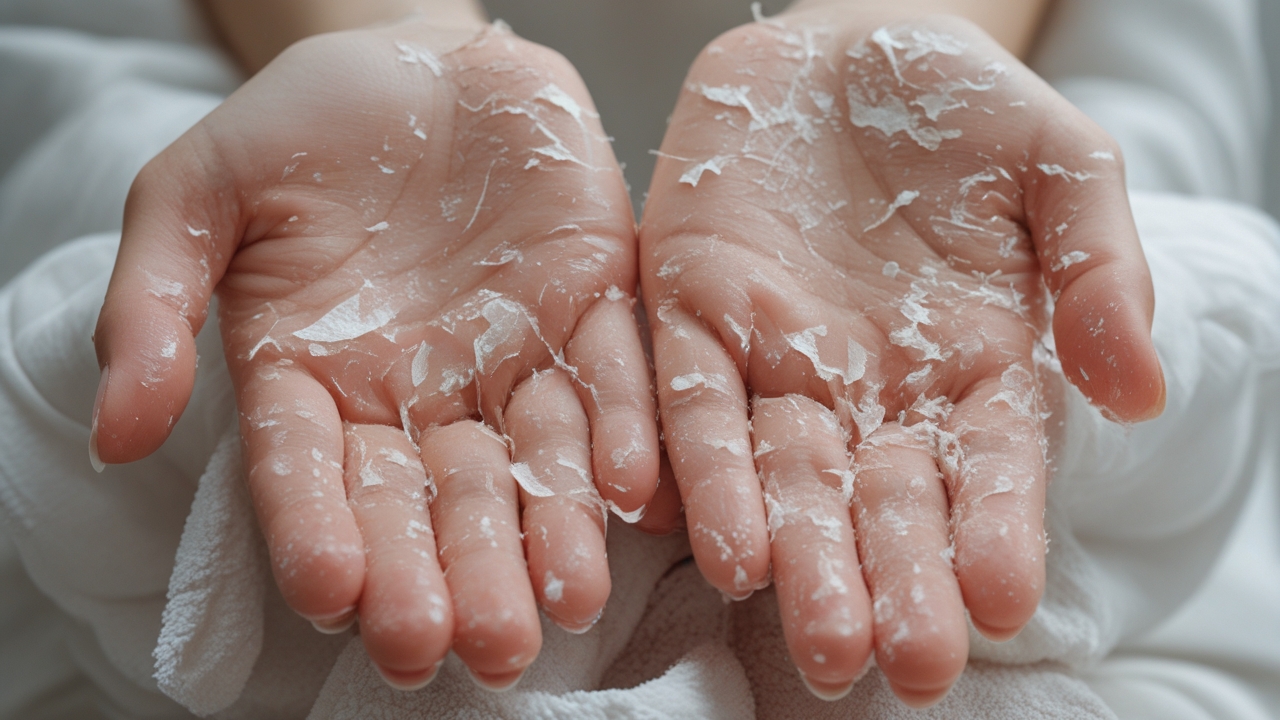
If you’ve ever glanced down at your hands and noticed flaking, cracking, or rough patches, you’re definitely not alone. Millions of people struggle with uncomfortable, irritated hands — especially during colder months or after excessive hand washing. Understanding the root causes of peeling skin on hands is the first step toward finding a solution that actually works. Whether your skin is reacting to harsh soaps, environmental exposure, or an underlying skin condition, the discomfort is real — and so is the fix. Exploring dry hands remedies doesn’t have to feel overwhelming. With the right knowledge and a consistent skincare routine, you can restore softness, elasticity, and a healthy glow to your hands faster than you might think.
Table of contents
Step-by-Step Instructions
Tips for Preventing Dry, Peeling Hands
Alternative Methods for Soothing and Healing Hands
Natural Remedies
Clinical Options
Step-by-Step Instructions: How to Heal and Restore Dry, Peeling Hands
Healing your hands requires more than just slapping on some lotion. Follow this structured, dermatologist-inspired routine for best results.
Step 1: Identify the Underlying Cause
Before diving into treatment, it’s important to understand *why* your hands are peeling. Common culprits include:
- Frequent hand washing with harsh soaps;
- Low humidity or cold weather exposure;
- Contact dermatitis from cleaning products or allergens;
- Nutritional deficiencies (especially Vitamins B3, B7, and E);
- Skin conditions like eczema or psoriasis.
Knowing your trigger helps you choose the most targeted treatment approach.
Step 2: Gently Exfoliate Dead Skin
Once or twice a week, use a gentle sugar scrub or an enzymatic hand exfoliant to slough off dead skin cells. Avoid aggressive scrubbing, which can worsen irritation. Look for exfoliants containing lactic acid or urea — both are excellent for breaking down rough skin without damaging the moisture barrier.
Pro tip: Apply your scrub to damp hands in circular motions for 60 seconds, then rinse with lukewarm (not hot) water.
Step 3: Cleanse with a Moisturizing Hand Wash
Swap your antibacterial soap for a fragrance-free, cream-based hand wash enriched with glycerin or ceramides. This small switch can make a dramatic difference in retaining your skin’s natural oils throughout the day.
Step 4: Apply a Targeted Treatment
This is where addressing peeling skin on hands becomes a hands-on experience. After cleansing, apply a **barrier-repair cream or ointment** containing ingredients like:
- Shea butter deeply nourishing;
- Ceramides restore skin’s protective layer,
- Hyaluronic acid attracts moisture from the environment;
- Lanolin creates an occlusive seal to prevent moisture loss.
Apply generously and massage in for at least 30 seconds to encourage absorption.
Step 5: Lock in Moisture Overnight
The best dry hands remedies often work hardest while you sleep. Apply a thick hand cream or petroleum jelly before bed, then slip on a pair of cotton gloves to lock in the treatment overnight. You’ll wake up with noticeably softer hands within just a few days.
Step 6: Stay Hydrated and Nourished From Within
Topical treatments alone won’t cut it if you’re dehydrated or nutrient-deficient. Drink **8–10 glasses of water daily** and incorporate skin-supportive foods like salmon, avocados, walnuts, and leafy greens into your diet.
Tips for Preventing Dry, Peeling Hands
- Wear gloves when washing dishes or using household cleaning products;
- Use lukewarm water instead of hot water when washing hands;
- Apply hand cream immediately** after washing while skin is still slightly damp;
- Avoid hand sanitizers with high alcohol content — opt for moisturizing versions;
- Use a humidifier at home during winter months to combat dry indoor air;
- Protect your hands from UV exposure with SPF-infused hand creams.
Alternative Methods for Soothing and Healing Hands
If traditional creams aren’t cutting it, consider these natural and clinical alternatives:
Natural Remedies
Coconut oil: Rich in fatty acids, it penetrates deeply and has anti-inflammatory properties
Aloe vera gel: Soothes irritation and accelerates skin cell regeneration
Oatmeal soaks: Colloidal oatmeal calms itchy, inflamed skin naturally
Honey mask: A natural humectant and antimicrobial agent for cracked hands
Clinical Options
- Prescription-strength urea creams (20–40%): Effective for severe dry skin and calluses;
- Topical corticosteroids: For inflammation caused by eczema or dermatitis;
- Phototherapy: For chronic conditions like psoriasis affecting the hands;
- Dermatologist consultation: Always recommended for persistent or worsening symptoms.
Conclusion
Achieving soft, smooth, and healthy hands is absolutely within reach it just takes consistency and the right strategy. Now that you understand the causes of peeling skin on hands, you can approach treatment with confidence. From overnight moisture-lock treatments to natural alternatives, there’s a method that will work for your unique skin type and lifestyle. Incorporating effective dry hands remedies into your daily routine doesn’t require expensive procedures or complicated regimens. Small, consistent changes — like switching your hand soap, applying a rich cream before bed, and protecting your skin from harsh elements — can yield transformative results. Start today, and give your hardworking hands the care they truly deserve.
FAQs: People Also Ask About Dry Hands Remedies
The fastest remedy is applying a thick, occlusive moisturizer like petroleum jelly or a ceramide-rich hand cream immediately after washing. Pair this with cotton gloves overnight for accelerated results. Many people notice significant improvement within 24–48 hours.
Deficiencies in Vitamin B3 (niacin), Vitamin B7 (biotin), Vitamin E, and Vitamin A are commonly associated with dry, flaky, or peeling skin on the hands. A blood test from your doctor can help identify specific deficiencies
Yes! Petroleum jelly (Vaseline) is one of the most effective occlusives available. It doesn’t absorb into the skin but creates a protective barrier that seals in existing moisture and prevents water loss making it ideal for overnight hand treatments.
If moisturizing isn’t helping, the peeling may be caused by an underlying condition such as contact dermatitis, eczema, psoriasis, or a fungal infection. It could also mean your moisturizer isn’t penetrating deeply enough. Switch to a barrier-repair formula with ceramides and consult a dermatologist if the problem persists.
Natural options include coconut oil, honey, aloe vera gel, and colloidal oatmeal soaks. These ingredients offer moisturizing, anti-inflammatory, and healing benefits without synthetic chemicals. Used consistently, natural remedies can be highly effective for mild to moderate dryness and cracking.
Dermatologists recommend moisturizing your hands every time after washing and at least 2–3 additional times throughout the day, especially before bed. The more consistently you apply moisture, the faster your skin’s barrier will repair itself.
While staying hydrated supports overall skin health, drinking water alone won’t cure dry hands caused by external factors. However, dehydration can worsen dryness, so maintaining adequate water intake is an important part of a comprehensive skincare strategy.