
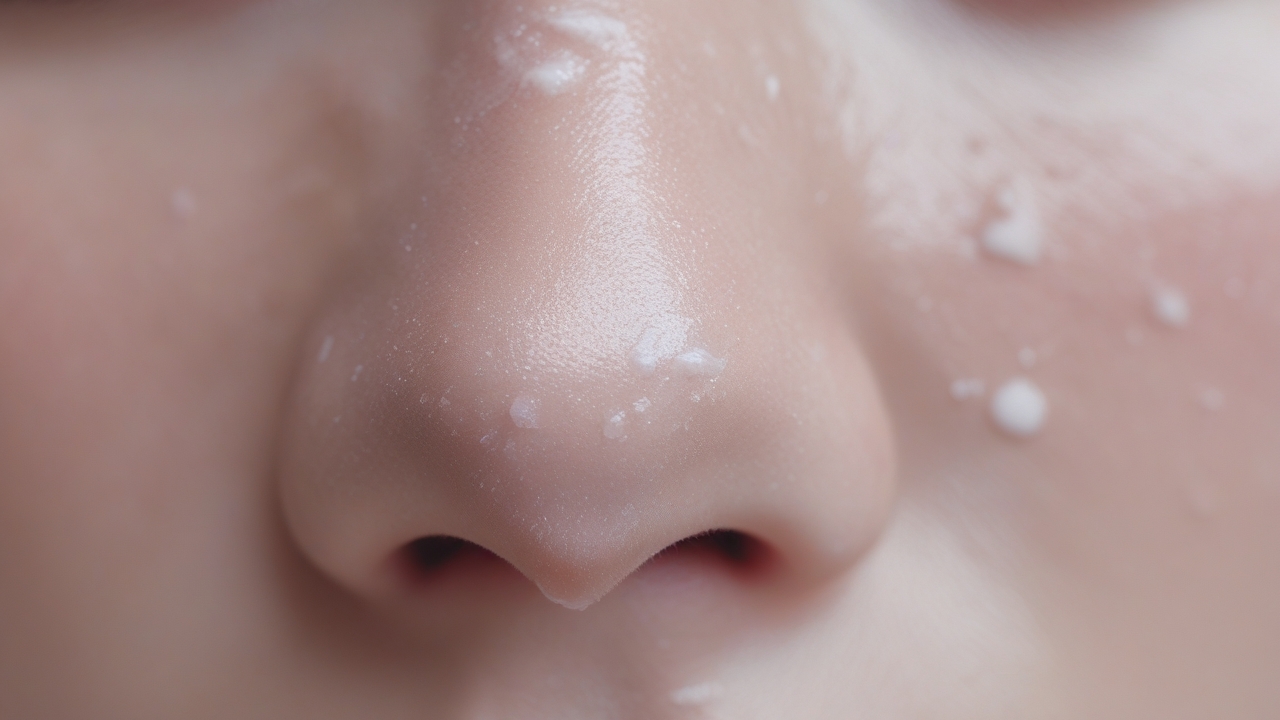
You do everything right. You cleanse, moisturize, and follow a solid skincare routine. But then you look in the mirror and notice it that rough, patchy, slightly shiny patch right on the center of your face. The nose. It collects dead skin cells, clogs up with sebum, and somehow manages to look both oily and flaky at the same time. Sound familiar?
You are not alone. The nose is one of the most neglected areas in targeted skincare, yet it causes some of the most visible texture and tone problems. The good news? nose skin peeling treatments and nose skin exfoliation routines are more accessible than ever, and they actually work.
This guide breaks down everything you need to know: what causes buildup on the nose, how exfoliation fixes it, which products to use, and how to do it safely for smoother, clearer, more radiant skin.
What Is Nose Skin Exfoliation?
Exfoliation is the process of removing dead skin cells from the surface of your skin. Your body naturally sheds skin cells every 28 to 40 days, but that process slows down with age, stress, humidity changes, and buildup of skincare products. When dead cells accumulate faster than your skin can shed them, you get rough texture, clogged pores, and dullness.
The nose is especially vulnerable. It contains a high concentration of sebaceous glands, which means more oil production, larger-looking pores, and faster buildup of dead skin and debris. The shape of the nose also makes it harder for natural exfoliation to happen evenly.
There are two main types of exfoliation used on the nose:
- Physical exfoliation : uses a scrub, brush, or cloth to manually buff away dead cells.
- Chemical exfoliation : uses acids like AHAs (alpha hydroxy acids) or BHAs (beta hydroxy acids) to dissolve the bonds holding dead skin cells together at a cellular level.
Chemical exfoliation tends to be more effective and less irritating for the delicate nose area when used correctly. BHAs like salicylic acid are particularly powerful here because they are oil-soluble, meaning they can penetrate deep into pores to clear congestion from the inside out.
Benefits of Exfoliating Your Nose
The transformation you feel after a proper nose exfoliation is almost immediate. Skin that once felt rough and looked dull begins to feel silky and look luminous. Here is what consistent exfoliation does for your nose over time:
- Smoother texture : rough, bumpy skin becomes noticeably softer to the touch.
- Minimized pore appearance : clearing out debris makes pores look smaller and tighter.
- Brighter skin tone : removing dead cells reveals the fresh, reflective skin underneath.
- Better product absorption : serums and moisturizers penetrate more effectively on exfoliated skin.
- Fewer blackheads : regular exfoliation reduces the oxidized sebum plugs that create visible blackheads.
- More even skin color : hyperpigmentation and redness caused by post-inflammatory marks fade faster.
Skin Concerns That Nose Exfoliation Solves
Dry, Flaky Skin on the Nose
Problem: Dry patches that peel or feel tight, especially around the nostrils.
Cause: Accumulation of dead skin cells combined with dehydration or environmental damage.
Solution: Gentle chemical exfoliation using lactic acid or mandelic acid.
Benefit: Reveals softer, hydrated skin underneath and allows moisturizers to actually sink in rather than sit on top of dead cells.
Rough, Uneven Texture
Problem: The nose feels bumpy or looks textured even with makeup on.
Cause: Hyperkeratinization, an overproduction of keratin that creates rough, thickened skin.
Solution: AHA exfoliants like glycolic acid break down keratin buildup effectively.
Benefit: Skin becomes noticeably smoother, and makeup sits evenly without creasing into texture.
Dullness and Lackluster Skin
Problem: The nose looks flat, tired, or gray despite proper skincare.
Cause: Dead skin cells sitting on the surface scatter light irregularly, reducing natural radiance.
Solution: Regular exfoliation reveals the fresh, light-reflecting layer beneath.
Benefit: A natural glow that does not require highlighter or heavy product layering.
Signs of Aging
Problem: Fine lines, loss of firmness, and crepe-like skin around the nose area.
Cause: Collagen production slows with age, and dead cell buildup makes lines look deeper.
Solution: AHA exfoliants stimulate cell turnover and can support collagen production over time.
Benefit: Skin looks plumper, lines appear softer, and the overall surface looks more youthful.
Discoloration and Hyperpigmentation
Problem: Dark spots, redness, or uneven skin tone on and around the nose.
Cause: Post-inflammatory hyperpigmentation from acne, sun exposure, or irritation.
Solution: Kojic acid, azelaic acid, or AHA-based exfoliants accelerate pigment fading.
Benefit: A more even, unified skin tone that reduces the need for heavy color-correcting products.
Blackheads and Clogged Pores
Problem: Visible dark plugs across the nose that are stubborn and keep coming back.
Cause: Sebum mixes with dead skin cells and oxidizes when exposed to air.
Solution: Salicylic acid (BHA) exfoliants penetrate the pore lining to dissolve the plug.
Benefit: Fewer and smaller blackheads over time, and pores that look visibly cleaner and tighter.
Best Products and Ingredients to Use
Not every exfoliant is created equal, and the nose requires targeted choices. Here are the most effective and well-tolerated options available for American shoppers:
- Salicylic acid (0.5%–2%): The gold standard for oily and acne-prone nose skin. Look for cleansers, toners, or serums with this BHA. Paula’s Choice 2% BHA Liquid Exfoliant is a fan favorite.
- Glycolic acid (5%–10%): Best for rough texture and dullness. The Ordinary Glycolic Acid 7% Toning Solution is widely available and affordable.
- Lactic acid (5%–10%): A gentler AHA ideal for dry or sensitive nose skin. It exfoliates while also hydrating.
- Azelaic acid (10%–20%): Excellent for redness, rosacea-prone skin, and discoloration around the nose.
- Enzyme exfoliants (papain, bromelain): Fruit-derived options that are ultra-gentle and ideal for beginners or reactive skin types.
- Retinol: Not technically an exfoliant but promotes cell turnover at a deeper level. Best used a few nights a week in place of your acid exfoliant.
Always patch test a new product before applying it to the face, especially around the sensitive nose area.
How To Use Nose Exfoliation Treatments
Proper technique makes all the difference. Follow these steps to get the best results safely from your nose skin exfoliation routine:
- Cleanse first. Wash your face with a gentle, non-stripping cleanser. Pat dry completely. Applying exfoliants to wet skin increases absorption and the risk of irritation.
- Apply the exfoliant directly to the nose. Use a cotton pad, your fingertip, or a small brush. For liquid chemical exfoliants, one or two swipes are enough. Do not rub aggressively.
- Wait for the product to absorb. Leave it on for 15 to 20 minutes if it is a leave-on formula. If it is a rinse-off scrub, use gentle circular motions for 30 seconds, then rinse thoroughly.
- Follow with a hydrating serum. Hyaluronic acid or niacinamide serum helps replenish moisture after exfoliation and soothes the skin barrier.
- Seal with a moisturizer. Do not skip this step. A good moisturizer locks in hydration and supports skin barrier recovery.
- Apply SPF in the morning. Freshly exfoliated skin is more sensitive to UV rays. Use at least SPF 30 every single morning.
For nose skin peeling treatments like at-home chemical peel pads, the same steps apply, but always follow the manufacturer’s instructions and never leave stronger formulas on longer than directed.
Expert Tips for Safe and Effective Results
- Start slow. Begin with exfoliating once or twice a week and increase frequency gradually if your skin tolerates it well.
- Never layer multiple acids. Using a BHA cleanser followed by an AHA toner in the same routine can over-exfoliate and damage the skin barrier.
- SPF is non-negotiable. Chemical exfoliants increase photosensitivity significantly. Broad-spectrum SPF 30 or higher every morning, rain or shine.
- Watch for over-exfoliation signs. Redness, stinging, tightness, and increased breakouts are all warning signs. Scale back immediately if these occur.
- Hydrate from the inside. Drinking adequate water supports healthy skin cell turnover and complements your topical routine.
- Use retinol on alternating nights. If you use retinol, do not use an acid exfoliant on the same evening to avoid barrier disruption.
Alternatives and Complementary Treatments
Exfoliation does not have to work alone. Depending on your skin concerns, these treatments pair well or serve as alternatives:
- Pore strips: Provide immediate gratification for blackhead removal but do not address root causes. Best used occasionally alongside a chemical exfoliation routine rather than as a replacement.
- Clay masks: Absorb excess oil and draw out impurities. Great to use the night before exfoliation to prep the skin.
- Microdermabrasion: A professional physical exfoliation treatment that resurfaces skin more deeply. Ideal for those dealing with significant textural concerns.
- Professional chemical peels: In-office treatments using higher-concentration acids provide more dramatic and longer-lasting results than at-home options. A licensed esthetician or dermatologist can customize the peel to your skin type.
- Niacinamide serums: Not an exfoliant but a powerful complement. Niacinamide minimizes pore appearance, controls oil, and reduces redness — addressing many of the same concerns from a different angle.
Frequently Asked Questions
For most skin types, exfoliating the nose two to three times per week is sufficient. If you have sensitive or dry skin, once a week may be enough. Oily skin types can sometimes tolerate daily use of a gentle BHA cleanser. Always listen to your skin — redness, irritation, or tightness are signs you are over-exfoliating and need to cut back.
Yes, but with caution. Physical scrubs with large or jagged particles can cause micro-tears in the skin, especially around the sensitive nose area. If you prefer physical exfoliation, choose a fine-grain scrub or a soft konjac sponge. Chemical exfoliants are generally considered safer and more effective for the nose because they work at a cellular level without mechanical friction.
Light peeling or flaking after exfoliation is normal and signals that old skin cells are shedding to reveal fresh skin underneath. However, if peeling is heavy, painful, or accompanied by redness, you may have used too strong a product or left it on too long. Reduce frequency, use a gentler formula, and increase moisturization until your skin barrier recovers.
Yes, as long as you are gentle and avoid getting product inside the nostrils. The skin around the nostril edges can be particularly sensitive and prone to dryness. Use a Q-tip or your fingertip to apply exfoliant precisely around the nostrils, and always follow with a soothing, hydrating moisturizer to prevent irritation.
Salicylic acid (BHA) is widely considered the best ingredient for blackheads on the nose. Unlike AHAs, which work on the surface, salicylic acid is oil-soluble and penetrates deep into the pore to dissolve the sebum and dead skin cells that form blackheads. A 2% salicylic acid toner or serum used consistently two to three times a week delivers the best results over time.
People with rosacea should approach exfoliation very carefully. Harsh physical scrubs and high-concentration acids can trigger flare-ups. Gentle options like azelaic acid, low-concentration lactic acid, or enzyme exfoliants are generally better tolerated. Always consult a dermatologist before adding any exfoliant to your routine if you have rosacea or chronically reactive skin.
Exfoliation does not permanently shrink pores, pore size is largely genetic. However, regular exfoliation keeps pores clear of debris and dead skin buildup, which makes them appear visibly smaller and less noticeable. Combining exfoliation with a niacinamide serum and oil control measures gives the best results for minimizing the appearance of large pores on the nose.
Many people notice smoother texture and improved brightness after just one or two sessions. More significant improvements — like reduced blackheads, fading discoloration, and refined pores, typically take four to eight weeks of consistent use. Skin cell turnover takes time, so patience and consistency are essential for lasting results.
Exfoliate first, then mask. Removing dead skin cells before applying a clay or hydrating mask allows the mask ingredients to penetrate more deeply and work more effectively. Always wait at least 15 to 20 minutes after a chemical exfoliant before applying a mask to avoid over-sensitizing the skin.
When you first start exfoliating, you may experience a purge period where breakouts temporarily increase. This happens because exfoliation accelerates cell turnover and brings congestion already forming beneath the surface to a head faster. This typically resolves within two to four weeks. If new breakouts continue beyond that point, the product may not be the right fit for your skin type.
Whether you are just getting started with a gentle salicylic acid toner or exploring more advanced nose skin peeling treatments, the key is consistency, patience, and listening to your skin. Pair your exfoliation routine with proper hydration, daily SPF, and the right supporting products, and you will see real, lasting results.
Ready to get started? Explore the best options for nose skin exfoliation and find the right formula for your skin type. Your clearest, smoothest nose skin is just a few consistent weeks away.