
Discover everything you need to know about Peter Thomas Roth peeling products, including chemical and glycolic peels, how to use them safely, and the visible results you can expect. This guide is designed for both skincare enthusiasts and those looking for professional-grade treatments at home.
Table of contents
What Is a Peter Thomas Roth Peel?
Peter Thomas Roth Chemical Peels & Glycolic Acid Treatments
How to Use Peter Thomas Roth Peeling Products Safely?
Peter Thomas Roth Peeling Gel: Results & Before-After Effects?
Enzyme Peel vs Chemical Peel: Which Peter Thomas Roth Peel to Choose?
Faq about Peter Thomas Roth Peels
What Is a Peter Thomas Roth Peel?
Peter Thomas Roth peels are advanced skincare treatments designed to exfoliate, renew, and improve skin texture. Unlike generic at-home peels, these products combine professional-grade formulas with ingredients scientifically proven to address skin concerns such as dullness, uneven texture, and fine lines.
Key features of Peter Thomas Roth peels:
- Chemical exfoliation: Removes dead skin cells without harsh scrubbing
- At-home & professional-grade options: Safe for personal use while maintaining salon-quality results
- Targeted formulations: Designed for different skin types and concerns
Peter Thomas Roth’s approach ensures that you can achieve noticeable skin improvements without over-irritating your skin, making it ideal for regular at-home use or as part of a professional treatment.
Peter Thomas Roth Chemical Peels & Glycolic Acid Treatments
Chemical peels are a cornerstone of Peter Thomas Roth’s skincare range. These peels use glycolic acid and other chemical exfoliants to stimulate cell turnover, improve texture, and promote radiant, youthful skin.
Types of Peter Thomas Roth chemical peels:
- Glycolic Acid Peel:
- Concentration: Usually 10–20% for at-home peels
- Benefits: Smooths skin texture, reduces fine lines, promotes glowing skin
- Suitable for: Normal to combination skin
- Enzyme & Chemical Peels:
- Gentle enzymatic peels for sensitive or reactive skin
- Targeted chemical peels for anti-aging, hyperpigmentation, and acne-prone skin
Benefits you can expect:
- Visible reduction of dullness and uneven skin tone
- Improved pore appearance
- Skin looks firmer and brighter after several uses
Tip: Avoid layering peels with other strong actives like retinol on the same day to prevent irritation.
How to Use Peter Thomas Roth Peeling Products Safely
Proper application is crucial to achieve results and prevent irritation. Follow these guidelines for the best outcome:
- Frequency: 1–2 times per week for at-home glycolic or chemical peels
- Application:
- Cleanse skin thoroughly
- Apply a thin, even layer, avoiding eye and lip areas
- Duration: Follow the product instructions; usually 3–10 minutes depending on your skin tolerance
- Aftercare:
- Rinse thoroughly
- Apply a hydrating moisturizer
- Always use SPF 30+ during the day
Common mistakes to avoid:
- Leaving the peel on too long
- Using other exfoliants on the same day
- Skipping sunscreen after application
With correct use, you can enjoy smoother, brighter skin without irritation.
Peter Thomas Roth Peeling Gel: Results & Before-After Effects
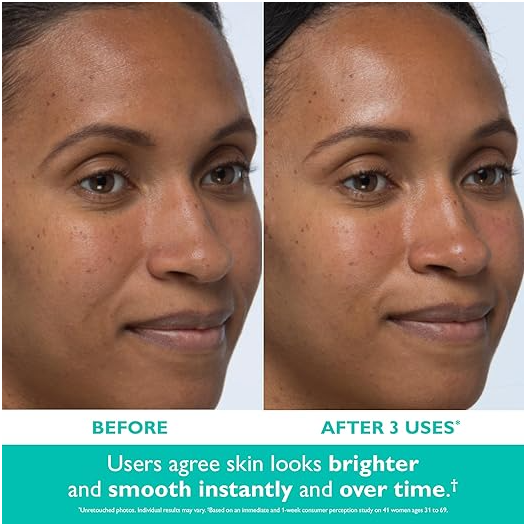
Even without visual examples, textual descriptions of results help Google and users understand the benefits. Here’s what to expect after consistent use:
- After first use: Skin feels softer, looks hydrated and refreshed
- After several uses: Improved glow, reduced pore visibility, more even skin tone
- Long-term: Fewer fine lines, healthier skin texture, and a radiant complexion
Users often report feeling their skin is “renewed” and more luminous, reflecting the effectiveness of Peter Thomas Roth peels.
Enzyme Peel vs Chemical Peel: Which Peter Thomas Roth Peel to Choose?
Understanding the difference helps you choose the best peel for your skin type:
| Feature | Enzyme Peel | Chemical Peel |
| Ingredients | Natural enzymes (papaya, pumpkin) | Acids (glycolic, lactic, salicylic) |
| Strength | Gentle | Moderate to strong |
| Skin Type | Sensitive, reactive | Normal to combination, aging concerns |
| Result | Light exfoliation, soft skin | Visible texture improvement, glow, anti-aging effects |
Pro tip: If you’re new to peels or have sensitive skin, start with an enzyme peel before progressing to chemical peels.
FAQ about Peter Thomas Roth Peels
It’s a skincare treatment that uses chemical exfoliants like glycolic acid to remove dead skin cells, improve texture, and reveal brighter, healthier skin
Yes, but I recommend starting with lower concentrations and patch testing first. Enzyme peels are also gentler for reactive skin.
Typically 1–2 times per week, depending on your skin type and tolerance. Overuse can cause irritation.
You’ll notice smoother, brighter skin after the first use. With regular use, pores appear smaller, skin tone evens out, and fine lines are reduced.
Enzyme peels use natural enzymes for gentle exfoliation, ideal for sensitive skin. Chemical peels use acids for more intense exfoliation, targeting aging, hyperpigmentation, or acne.
Avoid using retinol or other strong acids on the same day to prevent irritation.
Absolutely. Sun protection is essential to prevent damage and maximize peel results.
Yes, at-home peels are designed for safe, effective results when used correctly.
Glycolic acid has smaller molecules, penetrates deeper, and offers stronger exfoliation. Lactic acid is gentler, ideal for sensitive skin.
Generally yes, but younger users should focus on gentle formulations, while older skin may benefit from stronger chemical peels.

Article written by MyPeeling team
A team of beauty experts passionate about peels and all things skincare. MyPeeling.com brings us together to share what inspires and excites us with a wide audience eager to maintain radiant skin every day.
About us: Peter Thomas Roth Peeling Treatments: Chemical & Glycolic Peels ExplainedWhat to read next