
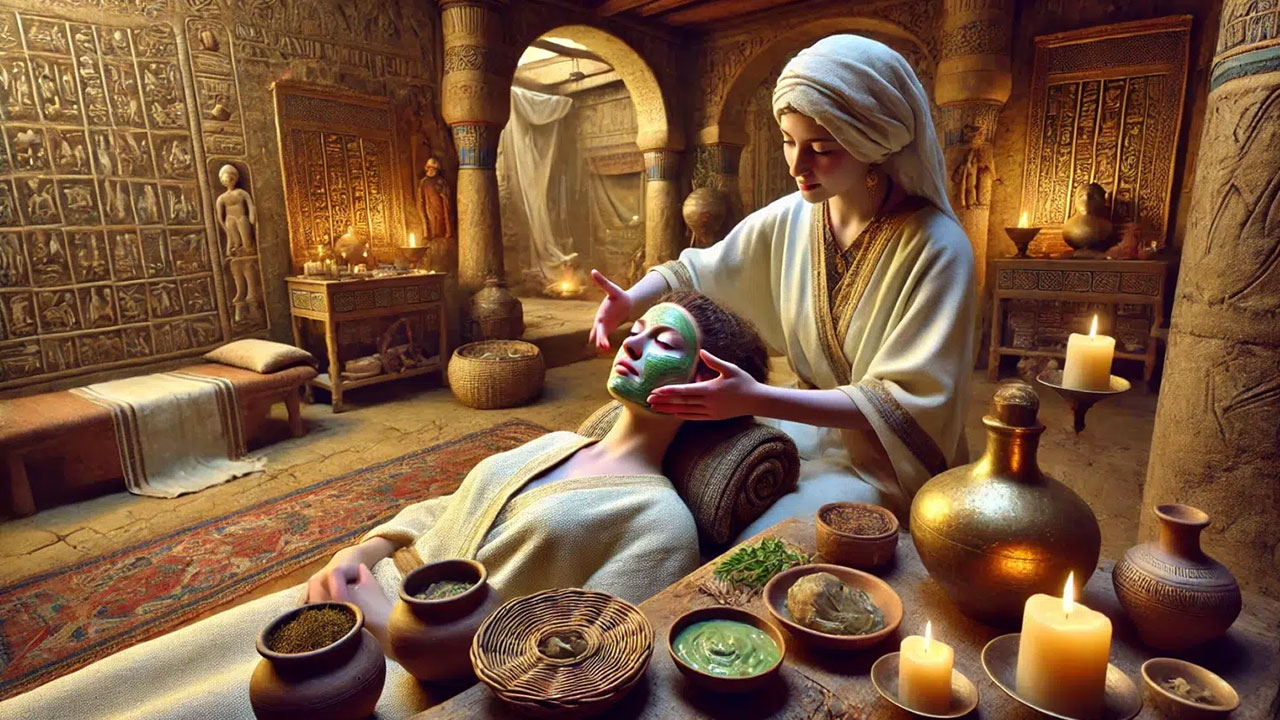
Peeling, the practice of exfoliating skin to improve its appearance, has a rich history dating back thousands of years. This skincare technique has been used across various cultures and civilizations, each developing its own unique methods and ingredients. From the milk baths of ancient Egypt to the acid peels in modern spas, peeling has evolved considerably while retaining its original goal: to reveal smoother, more youthful skin. This article delves into the history of peeling across different cultures and its development into the sophisticated practice it is today
Table of contents
Ancient Egypt: The Origins of Peeling
Ancient China: Herbal Peeling and Natural Remedies
Ancient Greece: Physical and Chemical Exfoliation
Islamic Civilization: Herbal Formulations and the Golden Age of Medicine
European Renaissance: The Revival of Beauty and Peeling Practices
The 19th and Early 20th Century: The Beginnings of Modern Peeling
Late 20th Century to Present: The Rise of Cosmetic Peeling
The Future of Peeling
FAQ About the History of Peeling
Ancient egypt: the origins of peeling
Ancient Egyptians are often credited with pioneering skincare practices that included the earliest forms of chemical peeling. Egyptians, particularly those in the upper classes, valued beauty and skincare highly. To maintain a smooth and luminous complexion, Egyptians used ingredients like sour milk, honey, and essential oils.
- Milk Baths and Lactic Acid: Egyptian royalty, most famously Cleopatra, used sour milk baths to exfoliate and soften their skin. Sour milk contains lactic acid, a natural alpha hydroxy acid (AHA) that gently exfoliates the skin, promoting cell turnover.
- Other Exfoliating Ingredients: Honey, oils, and fine sand were commonly used to cleanse and scrub the skin. Honey was also antibacterial, making it ideal for keeping the skin clear.
This early form of peeling was mild yet effective, laying the groundwork for future skincare practices focused on exfoliation and skin rejuvenation.
Ancient china: herbal peeling and natural remedies
In ancient China, skincare was intertwined with holistic wellness practices. Ancient Chinese medicine emphasized the connection between internal health and external beauty, with a particular focus on herbs and plants.
- Exfoliating with Herbs: Chinese skincare used herbs like ginseng, rice bran, and green tea to cleanse and rejuvenate the skin. These ingredients had mild exfoliating properties and were used in pastes and masks to brighten and purify the skin.
- Pearl Powder: Used by Chinese nobility, pearl powder was believed to have skin-brightening and anti-aging properties. It was often combined with herbal masks to gently exfoliate the skin and improve its texture.
Chinese beauty treatments emphasized a balanced approach, favoring gentle ingredients that also nourished the skin, a philosophy that influenced skincare practices worldwide.
Ancient greece: physical and chemical exfoliation
The Greeks were also deeply invested in skincare, drawing inspiration from both Egyptian and local practices. Greek culture emphasized physical beauty and strength, leading to the development of skincare routines that included exfoliation.
- Olive Oil and Pumice Stones: Ancient Greeks used olive oil combined with abrasive materials like pumice stones to scrub away dead skin cells. Olive oil not only softened the skin but also had healing properties.
- Natural Acids from Fruits: The Greeks incorporated fruit acids into their routines, using ingredients like wine and citrus fruits. The tartaric acid in wine acted as a natural exfoliant, similar to the AHAs used in modern chemical peels.
Greek methods of exfoliation were both physical and chemical, making their skincare practices some of the most advanced of their time. This combination of techniques allowed them to achieve smoother and more resilient skin.
Islamic civilization: herbal formulations and the golden age of medicine
medicine, science, and skincare. Influenced by Greek and Persian knowledge, Islamic scholars contributed to the evolution of peeling and skincare.
- Herbal and Plant-Based Ingredients: Islamic physicians and scientists developed herbal remedies that included exfoliating agents like sulfur and mineral-based scrubs. These ingredients were used to treat skin issues and rejuvenate the complexion.
- Documentation and Advancement: Scholars such as Avicenna and Al-Razi documented skincare techniques and treatments. Their works discussed the benefits of exfoliation and described methods for preparing herbal scrubs and masks to improve skin texture.
This period was crucial in refining peeling methods, as Islamic civilization documented and preserved knowledge, which would later spread to Europe and influence Western medicine and cosmetics.
European renaissance: the revival of beauty and peeling practices
During the Renaissance, European culture experienced a revival of ancient beauty practices, partly influenced by contact with Islamic and Greek knowledge. With the increased popularity of elaborate beauty rituals, peeling became more common among the wealthy.
- Vinegar and Wine for Peeling: Renaissance women used vinegar and fermented grape products for facial treatments. These ingredients contained natural acids that gently exfoliated the skin, brightening the complexion.
- Lead and Mercury in Cosmetics: Unfortunately, some Renaissance skincare practices were harmful. Ingredients like lead and mercury were used to create a pale complexion but often resulted in skin damage. These substances, though toxic, showed that the desire for clear, youthful skin was driving experimentation in skincare.
This period was both a continuation of ancient techniques and an era of dangerous experimentation, highlighting the need for safe and effective skincare methods.
The 19th and early 20th century: the beginnings of modern peeling
The 19th and early 20th centuries marked a transition into scientific methods in skincare, leading to a more modern understanding of peeling. During this period, dermatologists began experimenting with chemical solutions specifically designed for skin exfoliation.
- Phenol Peels: In the early 1900s, phenol peels became popular for treating deep wrinkles and scars. Though effective, these peels were very strong and required careful application and monitoring.
- Salicylic Acid and Trichloroacetic Acid (TCA): Dermatologists in the 20th century also began using milder acids, like salicylic acid and TCA, to treat acne and skin pigmentation issues. These acids provided more control over the depth of the peel, making them safer and more accessible.
This period established peeling as a dermatological procedure, moving it from traditional practices to a medically supervised treatment with controlled results.
Late 20th century to present: the rise of cosmetic peeling
By the late 20th century, peeling had become widely accepted and popularized as part of mainstream skincare, especially in the West. This period saw advancements in both professional and at-home peeling products, making skin rejuvenation accessible to a broad audience.
- Alpha Hydroxy Acids (AHAs) and Beta Hydroxy Acids (BHAs): In the 1980s and 1990s, skincare brands started incorporating AHAs and BHAs into peels and exfoliating products. These acids, including glycolic and salicylic acid, offered gentle, controlled peeling suitable for various skin types.
- Cosmetic Procedures and Spa Treatments: Chemical peels became a staple in spas and dermatology clinics, with procedures tailored for different skin concerns, from acne to anti-aging.
Innovative Peeling Formulations: Modern peels now include a range of ingredients like enzymes, peptides, and antioxidants. These formulations offer customizable options for people with different skin sensitivities, minimizing side effects while maximizing benefits.
The future of peeling
Today, the science of peeling continues to advance, focusing on safety and skin compatibility. Innovations include peels with minimal downtime, more precise targeting for specific skin concerns, and even hybrid treatments that combine peeling with other rejuvenating methods like laser therapy.
Conclusion
Peeling has a rich, fascinating history, evolving from the natural ingredients of ancient civilizations to the scientifically advanced treatments available today. Each era contributed something unique to peeling techniques, from the milk baths of Egypt to herbal masks in China and the controlled acid peels of the modern era. As the industry moves forward, peeling continues to be a vital part of skincare, allowing people of all skin types and backgrounds to benefit from the timeless quest for smooth, radiant skin.
Faq about the history of peeling
We trace the origins of skin peeling back to ancient civilizations. There is no single inventor, but rather a long evolution of exfoliation practices developed independently across cultures.
We know that Egyptians, Chinese, Greeks, and later Islamic scholars all experimented with natural substances to remove dead skin cells and improve complexion. These early techniques laid the foundation for what we now call chemical peeling in modern dermatology.
Yes, historical sources strongly suggest that Cleopatra used sour milk baths as part of her beauty rituals.
We now understand that sour milk contains lactic acid, a natural alpha hydroxy acid (AHA) that gently exfoliates the skin.
In our view, Cleopatra’s skincare routine represents one of the earliest documented forms of chemical exfoliation. It helped keep her skin soft, smooth, and radiant long before modern cosmetic science existed.
Ancient Chinese skincare relied heavily on botanical and mineral ingredients.
We know they used rice bran, crushed pearls, and medicinal herbs to exfoliate and brighten the skin. These substances were mixed into pastes and applied as gentle scrubs.
Their philosophy focused on balance and skin harmony, which closely resembles today’s approach to mild, natural peels using enzymes and plant-based acids. For example :)
Yes, the Greeks developed mechanical and chemical exfoliation techniques.
We have evidence that they used pumice stones to physically remove dead skin and fruit-based acids to smooth the complexion.
Greek physicians, including Hippocrates, emphasized cleanliness and skin renewal as part of overall health, which helped formalize early cosmetic treatments. Greek skincare still performs today with high-level products. for example.
Islamic scholars during the Golden Age of medicine made major contributions to skincare knowledge.
We found that they used sulfur, herbal blends, and mineral-based scrubs, and carefully documented their effects in medical texts.
Physicians such as Avicenna described methods for treating pigmentation, acne, and rough skin, which closely resemble early chemical peel concepts.
Here are some Islamic skincare products that usually get good ratings on Amazon.
Unfortunately, yes. During the Renaissance and later centuries, some skincare products contained toxic ingredients such as lead and mercury.
We now know these substances caused serious skin damage and systemic poisoning. These practices highlight why modern dermatology emphasizes safety, controlled formulations, and clinical testing.
Modern chemical peeling began in the early 20th century.
We consider the introduction of phenol and trichloroacetic acid (TCA) as the true starting point of professional chemical peels.
Doctors started using these acids to treat scars, wrinkles, and pigmentation under medical supervision. This period marks the transition from traditional remedies to scientifically formulated treatments.
We explain this distinction based on how each acid works in the skin:
– AHAs (Alpha Hydroxy Acids) are water-soluble and work mainly on the skin’s surface. They help improve texture, brightness, and fine lines.
– BHAs (Beta Hydroxy Acids) are oil-soluble and penetrate deeper into pores, making them ideal for oily and acne-prone skin.
Both play a key role in modern peeling formulas and are among the most researched exfoliating acids today.
Yes, absolutely.
We see a strong return to natural-inspired peeling solutions in modern skincare. Many products now use fruit enzymes (papaya, pineapple), lactic acid from fermented sources, and plant-based acids.
These peels offer gentle exfoliation with fewer side effects, making them suitable for home use and sensitive skin when properly formulated.
Peeling remains one of the most popular skincare practices worldwide, demonstrating that the desire for healthy, radiant skin transcends time and culture.

Article written by MyPeeling team
A team of beauty experts passionate about peels and all things skincare. MyPeeling.com brings us together to share what inspires and excites us with a wide audience eager to maintain radiant skin every day.
About us: The history of peeling: from ancient civilizations to modern skincareWhat to read next